A Doberman is a sleek, powerful working dog known for its intense loyalty and keen intelligence. Often referred to as "Velcro dogs," they form deep bonds with their families and are as much sensitive companions as they are vigilant guardians.
Key Doberman Facts:
Origin and History
Created by a Tax Collector:
Karl Louis Dobermann, a German tax collector and dog catcher, needed a protective, sturdy companion for his rounds in the 1880s.


A "Melting Pot" Breed:
The breed likely originated from crossing breeds like the Rottweiler, Beauceron, German Pinscher, Greyhound, and Manchester Terrier.
War Heroes:
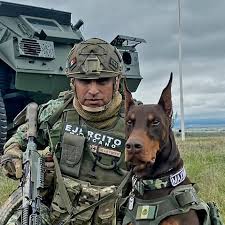
Dobermans served in the military during World War II, with a dog named "Cappy" credited with saving 250 U.S. Marines in the Battle of Guam.
Physical Characteristics
Size:
Males stand inches tall and weigh 75–100 pounds; females are inches and 60–90 pounds.
Coat Colors:
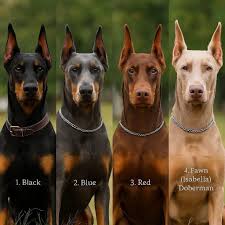
Recognized colors include black and rust, red and rust, blue and rust, and fawn (Isabella) and rust.
Appearance:
Traditionally, they have docked tails and cropped ears, although these practices are increasingly discouraged or banned in some regions.
Temperament and Behavior
"Velcro" Dogs:
Known for being highly loyal and affectionate, they often stick very close to their owners. Highly Trainable: They are ranked among the most intelligent breeds, making them excellent candidates for police work, security, and search and rescue. Protective & Energetic: While excellent family dogs, their alert, protective nature requires early socialization and consistent training.
Health and Care
Lifespan:
Average lifespan is years. Common Health Issues: They are prone toDilated Cardiomyopathy (DCM), von Willebrand disease (blood clotting disorder), hip dysplasia, and hypothyroidism. Exercise Needs: They need significant daily activity, with 1-2 hours of exercise, including running and playing, recommended to avoid destructive behavior.
Important Facts
Not Outside Dogs:
They have a thin coat and do not tolerate extreme cold well. White Dobermans: White or "albino" Dobermans exist but are not recognized by the Doberman Pinscher Club of America (DPCA) due to associated health risks. Versatility: Beyond protection, they excel in dog sports like agility and obedience.